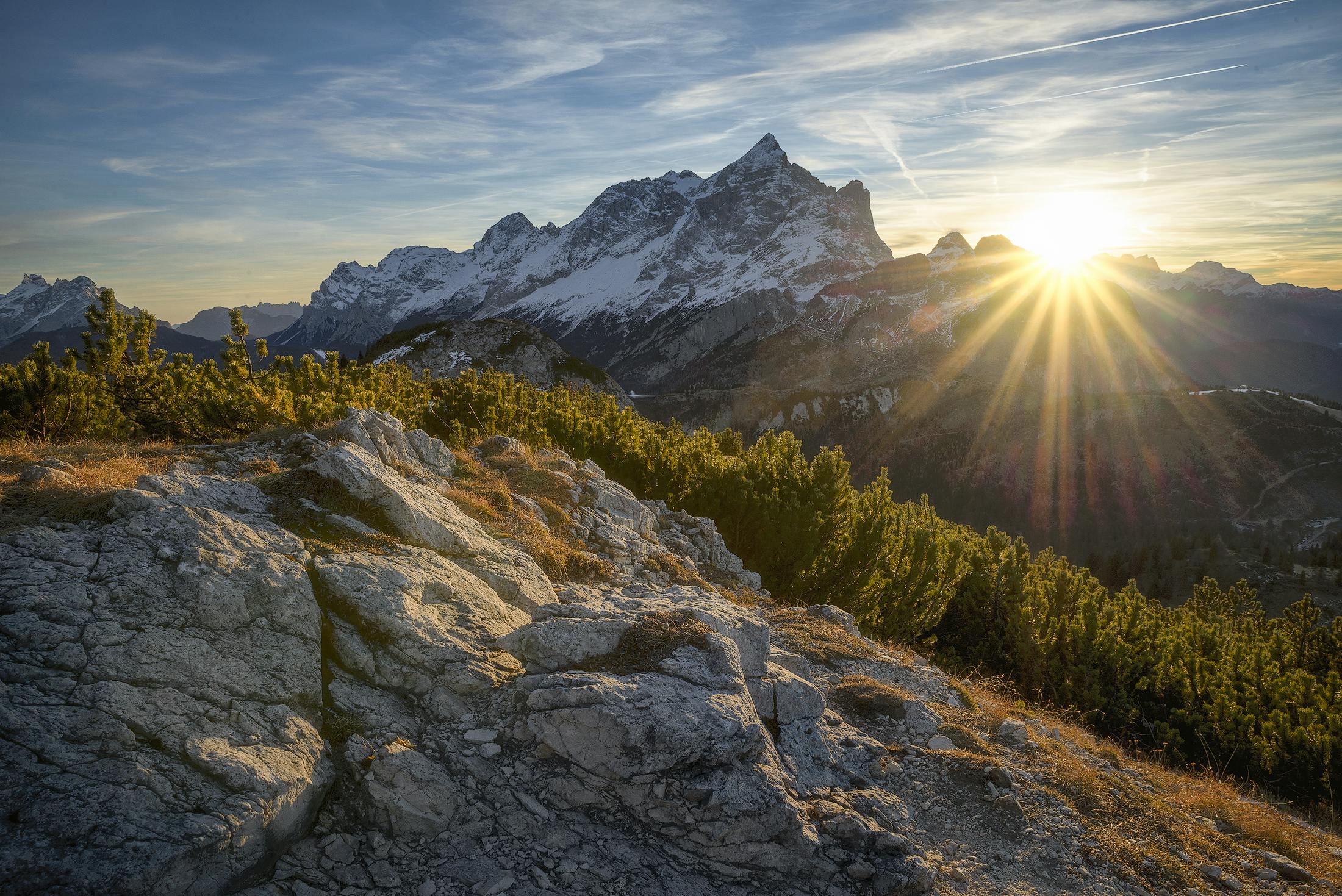
Grimsel Pass (2,164m) showcases Swiss engineering at its finest. This spectacular route through the Bernese Alps features dramatic reservoir dams, sheer rock walls, countless tunnels and galleries, and some of the most impressive infrastructure in alpine cycling. It’s raw beauty meets human engineering prowess.
Why Grimsel Is Spectacular
The Dams: Multiple enormous concrete dams create stunning turquoise reservoirs—visual spectacle unique among alpine passes.
The Engineering: Tunnels, galleries, bridges, and roads carved through granite cliffs showcase Switzerland’s infrastructure excellence.
The Setting: Harsh, rocky, dramatic landscape—this isn’t gentle alpine meadows; it’s raw granite and glacial water.
Three-Pass Combo: Grimsel + Furka + Susten forms one of Europe’s legendary cycling days.
The Routes
From Meiringen (North/West)
Stats:
- Distance: 27 km (to Grimsel Hospiz)
- Elevation gain: 1,570m
- Average gradient: 5.8%
- Maximum gradient: 11%
Character: Long, sustained, spectacular. Features all the famous dams and infrastructure.
From Gletsch (South/East via Furka)
Stats:
- Distance: 12 km
- Elevation gain: 593m
- Average gradient: 4.9%
- Maximum gradient: 9%
Character: Shorter, gentler, but still scenic. Often ridden as part of Furka-Grimsel combo.
Climbing from Meiringen (North)
This is the main route—spectacular and demanding.
Km 0-8: Aare Gorge Approach Gradient: 6-7% Climbing out of Meiringen through the Aare River valley. Moderate, steady start.
Km 8-15: Reservoir Section Begins Gradient: 6-8% Entering the high valley. Views of first reservoirs appear. Infrastructure becomes visible.
Km 15-20: Räterichsboden Dam Area Gradient: 6-9% Pass the first major dam (Räterichsboden). Stunning turquoise reservoir. The landscape becomes more dramatic.
Km 20-25: Grimsel Pass Road Proper Gradient: 7-10% The spectacular section. Multiple tunnels and galleries carved through rock faces. Several short, steep ramps. Views of Grimselsee reservoir below.
Final Hairpins: Six dramatic hairpins climbing the final rock wall to the pass.
Km 25-27: Summit Section Arriving at Grimsel Hospiz (2,164m) and the pass summit.
Summit:
- Grimsel Hospiz hotel/restaurant
- Spectacular views of reservoirs and dams
- Usually busy with tourists and motorcyclists
- Starting point for hikes
Climbing from Gletsch (South)
Km 0-6: Valley Climb Gradient: 5-6% Gentle climbing from Gletsch. Open alpine scenery.
Km 6-10: Main Climbing Gradient: 5-7% Sustained but never steep. Rocky, dramatic landscape.
Km 10-12: Upper Section Gradient: 4-6% Gentle final kilometers to Grimsel Hospiz.
Summit: Same hospiz as north approach.
The Dams and Reservoirs
Grimselsee (Main Reservoir):
- Created by Spitallamm Dam (114m high)
- Stunning turquoise color
- Powers major hydroelectric station
Räterichsbodensee:
- Lower reservoir
- Passed earlier on north climb
The Infrastructure:
- Over 100km of tunnels in the area
- Multiple power stations
- Engineering completed mainly 1925-1960s
- Modern additions still being built
Photo Opportunities:
- Dams from below (dramatic scale)
- Reservoirs from above (turquoise water)
- Road hairpins with dam/reservoir below
Best Time to Ride
Season: Typically open June through October.
Optimal:
- July: Road just opened, maximum water levels in reservoirs
- August: Most reliable weather
- September: Excellent conditions, autumn light enhances the turquoise water
Time of Day: Morning light is spectacular on the reservoirs. Start by 8-9am to avoid midday traffic.
Avoid: Weekends in peak season get very crowded with motorcyclists.
Practical Strategy
Direction: North from Meiringen is the spectacular way—you see all the dams and infrastructure.
Pacing: The gradient is moderate (6-7% mostly) but the length (27km) demands pacing. Conserve energy early—the final hairpins are steep.
Gearing: 50/34 x 11-32 is sufficient. Some steep sections but nothing extreme.
Tunnels/Galleries: Multiple short tunnels. Bring lights—not essential but helpful. Watch for rough pavement in some tunnels.
Fueling: 27km takes 100-150 minutes. Fuel before starting and during climb. Stop at Räterichsboden dam area to refuel and photograph.
Hydration: Carry two bottles. Limited refill opportunities until summit.
Clothing:
- Summit can be cold and windy
- Tunnels are cool even in summer
- Vest recommended for descent
Photography Time: Budget extra time—you’ll want photos of dams, reservoirs, hairpins.
Difficulty Rating
Advanced to Intermediate: The length and cumulative elevation make this a serious climb, though gradients are manageable.
Comparison:
- Easier than: Steeper passes (Stelvio, Gavia)
- Harder than: Oberalp (longer, more gain)
- Similar to: Other major Swiss passes (Furka, Gotthard)
The 27km distance and 1,570m gain demand fitness.
What to Expect
Physical: Long, sustained effort. Never brutally steep, but the length wears you down.
Scenery: Dramatic and unique. The combination of massive dams, turquoise reservoirs, and raw granite creates atmosphere unlike other passes.
Infrastructure: Tunnels, galleries, bridges—Swiss engineering on display throughout.
Traffic: Can be heavy, especially weekends. Motorcyclists common. Roads are generally wide enough for safe passing.
Road Surface: Excellent overall, though some rougher sections in tunnels.
The Descent
North Descent (to Meiringen):
- Long (27km), spectacular
- Multiple tunnels—ensure lights work
- Final hairpins are steep and technical
- Add layers before descending
South Descent (to Gletsch):
- Shorter (12km), easier
- Gentler gradients
- Less technical
The Three-Pass Day: Grimsel + Furka + Susten
One of Europe’s legendary cycling challenges:
The Route:
- Start: Andermatt
- Climb Furka west to Gletsch
- Climb Grimsel north to Grimsel Hospiz
- Descend north to Innertkirchen
- Climb Susten east back to Andermatt
Stats:
- Distance: ~130-150km
- Elevation gain: ~3,500-3,800m
- Time: 6-10 hours
- Three spectacular passes
Requirements:
- Excellent fitness
- Full day
- Good weather essential
- Early start (6-7am)
This is bucket-list territory for strong cyclists.
Individual Combinations
Grimsel + Furka:
- More manageable two-pass day
- ~90-100km depending on route
- Still epic, less demanding than three-pass
Grimsel Alone:
- Perfect full morning ride
- Return same way or via Gletsch/Furka for variety
Grimsel Hospiz
The Building: Historic hospice, now hotel/restaurant.
Facilities:
- Restaurant (Swiss pricing—expensive)
- Hotel rooms (basic but adequate)
- Restrooms
- Outdoor seating with spectacular views
Accommodation: Can be booked for overnight—waking up at 2,164m is special.
Historical Context
Power Development: The reservoirs and dams were built primarily 1925-1960s for hydroelectric power. They provide significant electricity for Switzerland.
WWII: Switzerland fortified Grimsel during WWII—some bunkers still visible.
Modern Additions: New power facilities continue to be built—Grimsel is active, not a museum.
Why Ride Grimsel
Grimsel combines natural beauty with human engineering. The juxtaposition of massive concrete dams against raw granite, turquoise reservoirs reflecting sky, and roads carved through cliffs creates unique atmosphere.
Perfect For:
- Engineering enthusiasts
- Those seeking dramatic scenery
- Cyclists combining multiple Swiss passes
- Strong riders wanting substantial climbs
- Photography lovers
The Experience: Grimsel isn’t gentle—it’s industrial, powerful, and dramatic. The dams are massive. The rock faces are vertical. The reservoirs are impossibly blue. It’s Switzerland showing off.
When you reach Grimsel Hospiz at 2,164m and look back down at the turquoise Grimselsee reservoir far below, with the massive dam holding back millions of tons of water, and the road you just climbed snaking up impossible cliffs, you’ll understand why Grimsel is considered one of the most spectacular alpine routes.
The combination of length, scenery, infrastructure, and strategic location for pass-hopping makes Grimsel essential for serious cyclists in Switzerland.
Browse stunning cycling wallpapers for your inspiration.